Tips for Creating a Relaxing Outdoor Garden Space at Home
Creating a calming outdoor garden space at home can be a wonderful way to connect with nature and unwind after a busy day. Whether you have a large backyard or a small patio, you can design a garden that offers peace, beauty, and comfort. This guide shares practical tips to help you transform your garden into a relaxing haven.
Choose the Right Location
Selecting the best spot for your garden area is the first step. Look for a space that offers some privacy, whether it’s tucked behind a fence or shielded by tall plants. Consider areas that get good natural light but also offer shade during the hottest part of the day. A sheltered corner can help protect your garden furniture and plants from strong winds.
Plan Your Garden Layout
A well-thought-out layout helps create a sense of balance and calm. You might want to sketch a rough plan, considering zones for sitting, planting, and perhaps even a water feature. Make pathways clear and inviting, using gravel, stepping stones, or natural materials. Keep walkways wide enough for easy movement and allow spaces to flow gently from one to another.
Comfortable Seating Options
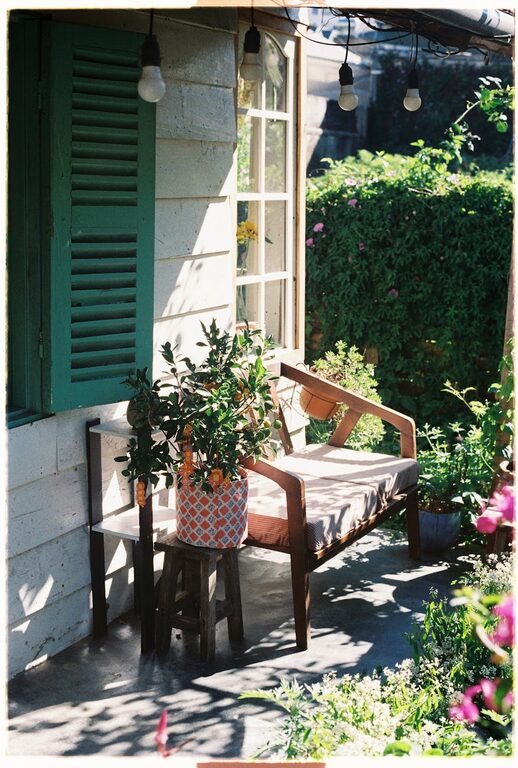
Your garden should have comfortable seating to encourage relaxation. Choose durable outdoor furniture that suits your style—this could be wooden benches, rattan chairs, hammocks, or cushions on sturdy surfaces. Adding weatherproof cushions and throws helps create a cosy atmosphere while making your seating more inviting.
Incorporate Calming Colours and Materials
Soft, natural colours often promote peace and relaxation. Use plants, furniture, and decorative items in calming shades like greens, blues and earth tones. Materials such as wood, stone, and wicker can add natural texture that feels warm and welcoming. Avoid overly bright or harsh colours that may interrupt the tranquillity you want to create.
Add Plenty of Plants
Plants are key to a tranquil garden space. Choose a mix of foliage types, heights and colours to create visual interest and a soothing natural environment. Consider fragrant plants like lavender, jasmine or herbs like mint that add gentle scent. If space is limited, use containers and hanging baskets to bring greenery in vertical layers.
Tips for Plant Selection
– Pick native plants where possible, as they are easier to maintain.
– Include evergreens for year-round colour and structure.
– Mix flowering plants for seasonal blooms.
– Use foliage plants to provide greenery even outside flowering seasons.
– Avoid plants with strong allergens if anyone in your household is sensitive.
Include Water Features
Water has a naturally relaxing effect, making water features a great addition. Small fountains, birdbaths or even a simple bowl of water can introduce a gentle sound and movement. If you have space, consider a pond with aquatic plants or a small waterfall. The sound of bubbling water helps drown out noise and adds to an atmosphere of calm.
Use Soft Lighting for Evenings
To enjoy your garden after dusk, install soft outdoor lighting. Solar-powered lanterns, fairy lights or LED candles add gentle illumination without being overpowering. Position lights strategically to highlight plants, pathways, or seating areas while avoiding glare. Warm white or yellow tones are preferable for a cosy, relaxing effect.
Incorporate Personal Touches
Personal elements make the space feel unique and inviting. Add your favourite garden ornaments, wind chimes or pieces of artwork. You might also include a small bookshelf for garden-themed books or a table for tea and snacks. These touches help your garden become a true sanctuary tailored to your tastes.
Maintain Your Garden Regularly
A neat and well-kept garden encourages relaxation. Regular tasks like pruning, weeding and watering keep plants healthy and looking their best. Clear away fallen leaves and debris to prevent clutter. A tidy garden feels more peaceful and easier to enjoy.
Create Zones for Different Activities
If space allows, create distinct zones that can offer variety. For example, a quiet reading nook, an area for yoga or meditation, and a dining space for socialising. Use plants, screens or low fences to define these zones naturally and maintain privacy.
Consider Wildlife-Friendly Features
Encourage local wildlife, which can add liveliness and joy to your garden. Bird feeders, butterfly-friendly plants and insect hotels help attract beneficial creatures. The sounds and sights of birds and insects enhance the feeling of being in nature, boosting your garden’s peaceful vibe.
Final Thoughts
Creating a relaxing outdoor garden space at home is achievable with a little planning and care. By focusing on comfort, natural beauty, and thoughtful details, you can produce a place to relax, reflect and enjoy nature’s simple pleasures. Whether you spend time here alone or with friends, a peaceful garden will be a cherished part of your home.