Tips for Creating a Relaxing Garden Space at Home
Creating a relaxing garden space at home is a wonderful way to escape the stresses of daily life and find a calm environment right outside your door. Whether you have a large garden or a small outdoor area, with thoughtful design and a few key elements, you can develop a soothing retreat that invites peace and tranquillity.
In this post, we’ll explore practical tips to help you design a garden that promotes relaxation, encourages mindfulness, and offers a refreshing connection to nature.
Understand Your Space and Needs
Before you start planting or buying furniture, take a moment to assess your outdoor space. Consider the size, shape, and natural features such as sunlight patterns, shade, and soil quality. Understanding these factors will help you decide what plants and furnishings will thrive best.
Also, think about how you want to use your garden. Do you want a quiet spot for reading, a place to meditate, or an area to enjoy with friends and family? Your lifestyle and preferences should guide the design choices.
Choose Calming Colours and Plants
Colours play a significant role in setting a relaxing mood. Soft greens, blues, and lavenders are known for their calming effects and are perfect for garden planting schemes.
Plants to Include
– Lavender: Its scent is soothing and known to reduce stress.
– Ferns: Their lush green foliage adds texture and serenity.
– Hostas: Great for shaded areas with lovely leaves.
– Japanese Maple: Offers gentle, delicate colours.
– Grasses: Ornamental grasses sway gently in the breeze, adding movement and a peaceful vibe.
Aim to plant a mix of perennials and shrubs to provide year-round interest and greenery. Avoid clutter by choosing plants that are well-suited to your climate and soil.
Incorporate Water Features
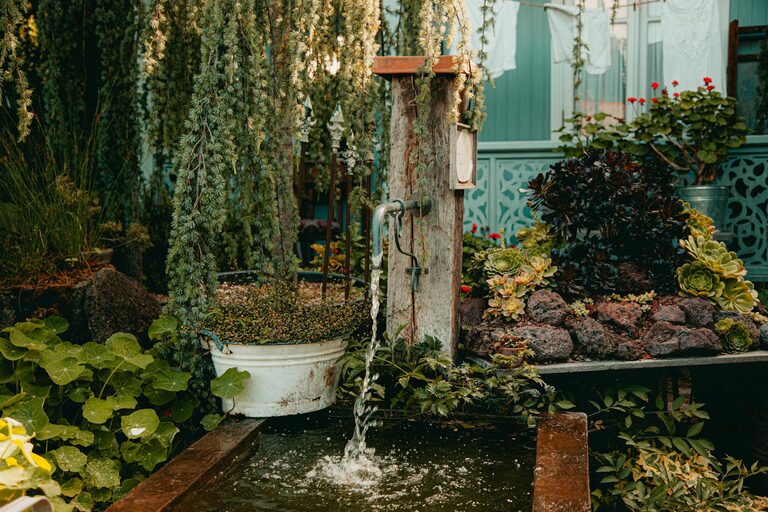
The sound of flowing water is incredibly tranquil. Consider adding a small pond, fountain, or birdbath to your garden. Even a modest water feature can create a sense of calm and attract birds, further enriching the peaceful atmosphere.
Create Comfortable Seating Areas
A relaxing garden needs somewhere comfortable to sit. Choose weather-resistant furniture that fits your outdoor space. Options include:
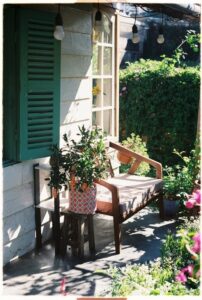
– Wooden benches for a natural look.
– Cushioned chairs for ultimate comfort.
– Hammocks for gentle swinging relaxation.
– Floor cushions or poufs for casual seating.
Place seating in spots that offer pleasant views, shade during the heat of the day, or dappled light. Adding a small table can be useful for drinks or books.
Add Soft Lighting
As evenings draw in, gentle lighting helps maintain the relaxing ambience. Use solar-powered lanterns, fairy lights, or LED candles to softly illuminate pathways and seating areas without glaring brightness.
Try to avoid harsh overhead lights. Instead, go for warm, low-level lighting that feels inviting and enhances the mood.
Use Natural Materials and Textures
Materials such as wood, stone, and bamboo harmonise with the natural garden environment. Incorporate these in decking, furniture, pathways, or garden ornaments. Their organic feel enhances the tranquility of the space.
Adding soft garden rugs, cushions, or throws with natural fibres will also increase comfort and add texture.
Manage Clutter and Noise
A clutter-free garden feels more open and calming. Keep tools, toys, and outdoor equipment stored away neatly. Use storage boxes or sheds that blend with the garden design.
If you live in a noisy area, you can minimise sound distractions with tall hedges, dense planting, or garden screens. Certain plants and trees also absorb sound and create a quieter atmosphere.
Introduce Aromatic Herbs and Flowers
Scent can greatly influence relaxation. Grow herbs like mint, rosemary, or thyme, which release refreshing aromas. Flowers such as jasmine and gardenias emit sweet fragrances that uplift the senses.
Placing aromatic plants near seating areas ensures their scent is enjoyed continuously.
Consider Seasonal Interest
A relaxing garden should look inviting across all seasons. Plan for a variety of blooming times, evergreen foliage, and winter interest like berries or textured bark.
This way, your outdoor sanctuary remains a delightful space to visit year-round.
Maintain Your Garden with Gentle Care
Keeping your garden tidy doesn’t have to be a chore. Regular light maintenance helps preserve the calm environment you’ve created. Water plants wisely, prune thoughtfully, and refresh cushions or decorations as needed.
If you have limited time, select low-maintenance plants and features that require minimal upkeep.
—
Creating a relaxing garden space at home is about blending natural elements with comfort and personal taste. By planning carefully and incorporating these tips, you’ll enjoy a peaceful outdoor retreat that rejuvenates your body and mind whenever you step outside. Take inspiration from your surroundings, and let your garden become your favourite place to unwind.