Creating a Productive Home Office Environment: Essential Tips
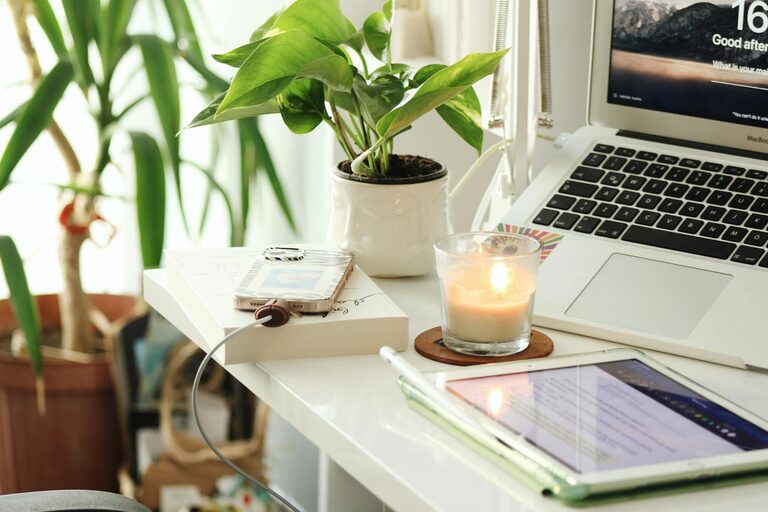
Working from home has become increasingly common, and creating a productive home office environment is essential for maintaining focus and efficiency. Whether you are freelancing, running a business, or simply need a space to manage tasks, your home office setup can significantly affect your workday. Here are practical tips to help you design a workspace that promotes productivity and wellbeing.
1. Choose the Right Location
Selecting an appropriate spot in your home is the first step to a productive office. Ideally, it should be quiet, well-lit, and separate from distractions.
– Natural Light: A room or corner with plenty of natural light improves mood and energy. Position your desk near a window if possible, but avoid glare on your screen.
– Low Traffic Area: Try to find a place away from busy household areas, such as the kitchen or living room, to minimise interruptions.
– Adequate Space: Ensure there’s enough room for your desk, chair, and any equipment you need. A cramped area can lead to discomfort and distraction.
2. Invest in Comfortable and Ergonomic Furniture
Spending hours at your desk means comfort is key. Ergonomic furniture supports posture and reduces fatigue.
– Office Chair: Choose a chair that offers good lumbar support, adjustable height, and comfortable cushioning.
– Desk: A desk at the right height prevents strain. If possible, consider a sit-stand desk to alternate between sitting and standing during the day.
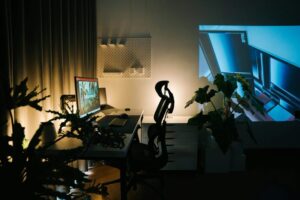
– Monitor Placement: Your computer screen should be at eye level and about an arm’s length away to avoid neck strain.
3. Organise Your Workspace Thoughtfully
A tidy and organised space helps maintain focus and efficiency.
– Declutter Regularly: Keep only essential items on your desk to minimise distractions.
– Storage Solutions: Use shelves, drawers, or boxes to store documents and supplies neatly.
– Cable Management: Tangled cords can be frustrating; use cable holders or clips to keep cables organised.
4. Enhance Lighting
Good lighting reduces eye strain and keeps energy levels up.
– Layered Lighting: Combine natural light with task lighting, such as a desk lamp, for working during darker hours.
– Light Colour: Cool white light mimics daylight and can improve alertness, while warm light is more relaxing—choose according to your needs.
– Avoid Glare: Position lights to avoid reflections on your screen which can cause discomfort.
5. Minimise Distractions
Creating boundaries helps you stay on track.
– Set Boundaries: Let family or housemates know your working hours to reduce interruptions.
– Limit Noise: Use noise-cancelling headphones or play soft background music to block out distractions.
– Turn Off Notifications: Silence unnecessary phone or computer alerts while working.
6. Personalise Your Space
Adding personal touches can make your workspace more inviting and motivating.
– Plants: Indoor plants improve air quality and add a calming effect.
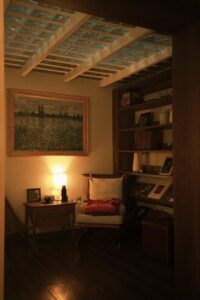
– Artwork or Photos: Choose pieces that inspire or bring joy without being overwhelming.
– Comfort Items: A small cushion or favourite mug can make breaks feel more pleasant.
7. Maintain Comfortable Temperature and Ventilation
An uncomfortable temperature can affect concentration.
– Temperature: Keep the room at a comfortable temperature, generally between 18°C and 22°C.
– Airflow: Ensure proper ventilation with a window or fan to keep fresh air circulating.
– Heating/Cooling Devices: Use fans, heaters, or air conditioning judiciously to regulate your environment.
8. Technology and Connectivity
Reliable technology is vital for smooth workdays.
– Stable Internet: Invest in good broadband with enough speed for your tasks, especially if video calls are frequent.
– Equipment: Keep your computer, printer, and other devices in good working order.
– Backup Solutions: Use cloud storage or external drives to secure your work and avoid data loss.
9. Create a Routine
A productive home office benefits from a consistent schedule.
– Set Working Hours: Start and finish work at regular times to maintain work-life balance.
– Breaks: Include short breaks every hour to stretch and rest your eyes.
– Morning Ritual: Begin your day with a routine that signals the start of work, such as preparing a cup of tea or reviewing your tasks.
10. Regularly Review and Adapt Your Setup
Your needs may change over time, so keep assessing and improving your workspace.
– Experiment: Try different layouts or accessories if you feel your current setup isn’t working.
– Seek Feedback: If you share your workspace, discuss improvements with others.
– Stay Informed: Follow trends and products that can enhance comfort or productivity in a home office.
—
Creating the perfect home office environment takes time and attention to detail, but the payoff is well worth it. With the right location, comfortable furniture, good organisation, and mindful routines, you can enjoy a space that supports your work and wellbeing.
—
Remember, the key is to design a workspace that fits your personal needs and helps you stay motivated throughout the workday. Start implementing these tips today and transform your home office into a productive haven.